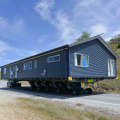
When it comes to relocating across state lines or even across the country, many people are often taken aback by the high costs associated with long distance moving. Unlike local moves, which can be relatively straightforward and less expensive, long distance moves involve a myriad of factors that contribute to their overall expense. Understanding these costs is essential for anyone planning a significant relocation, as it allows for better budgeting and preparation. Several elements play a crucial role in determining why moving is expensive. From fuel prices and labor costs to the distance traveled and the size of your belongings, each factor can significantly impact the final bill.
Additionally, the time of year you choose to move can also affect pricing, with peak seasons often leading to higher rates due to increased demand. As you delve deeper into the intricacies of long distance moving costs, you'll discover that being informed can help you make smarter decisions and potentially save money. In this article, we will explore the various factors affecting moving prices, providing insights into how each component contributes to the overall cost. By understanding these elements, you can better navigate the complexities of your upcoming move and ensure that you are prepared for the financial commitment involved in relocating your life to a new destination.
Factors Influencing Long Distance Moving Costs
When it comes to long distance moving, several factors play a crucial role in determining the overall cost. Understanding these elements can help you better prepare for your move and manage your budget effectively.- Distance: The most obvious factor is the distance between your current home and your new location.
Longer distances typically result in higher costs due to increased fuel expenses and time required for the move.
- Weight of Belongings: The total weight of your possessions significantly impacts the cost. Moving companies often charge based on weight, so decluttering before your move can lead to substantial savings.
- Time of Year: The season in which you choose to move can also affect pricing. Summer is peak moving season, leading to higher rates due to increased demand. Conversely, moving during off-peak times, such as winter, may yield lower prices.
- Type of Service: The level of service you select—whether full-service, self-service, or DIY—will influence costs.
Full-service moves, which include packing and unpacking, are generally more expensive than self-service options.
- Additional Services: Extra services such as packing supplies, storage solutions, and insurance can add to your overall expenses. It's essential to evaluate which services are necessary for your move and budget accordingly.
Distance and Its Impact on Moving Costs
When it comes to long distance moving, one of the most significant factors influencing the overall cost is the distance between the origin and destination. The greater the distance, the higher the expenses typically incurred.This is primarily due to mileage charges, which are calculated based on the total miles traveled by the moving truck.
Understanding Mileage Charges
- Mileage rates: Moving companies often charge a per-mile rate that can vary significantly based on the company, type of move, and even the season. This rate is multiplied by the total distance to determine a substantial portion of your moving costs.
- Fuel costs: Longer distances mean more fuel consumption. As fuel prices fluctuate, so do the costs associated with long-distance moves. Companies may include fuel surcharges in their estimates, further increasing your total.
- Time and labor: The longer the journey, the more time it takes for movers to complete the job.
This can lead to increased labor costs, especially if overnight accommodations are necessary for long hauls.
Weight and Volume of Belongings
When it comes to long distance moving, the weight and volume of your belongings play a crucial role in determining the overall cost. Moving companies typically charge based on the total weight of the items being transported, as heavier loads require more fuel and labor to move.Weight Impact on Moving Costs
- The more your belongings weigh, the higher the transportation costs will be.
- Movers often use a scale to weigh the truck before and after loading to calculate the total weight of your items.
- In addition to transportation, heavier loads can also increase labor costs, as more manpower may be needed for loading and unloading.
Volume Charges
In addition to weight, moving companies also consider the volume of your items.
This is particularly important for larger items that take up significant space in the moving truck.
- Volume is calculated in cubic feet or cubic meters, and movers will assess how much space your belongings will occupy.
- If your items take up more space than anticipated, you may incur additional charges.
Packing Costs
Packing materials can also contribute to the overall expense of a long distance move. The cost of boxes, bubble wrap, tape, and other packing supplies can add up quickly. Additionally, if you opt for professional packing services, this will further increase your moving costs.
- Consider using recycled boxes or purchasing packing materials in bulk to save money.
- Some moving companies offer packing kits that can be more economical than buying supplies individually.
Seasonality and Timing in Moving Costs
When planning a long distance move, understanding the seasonality of moving costs can significantly impact your budget.The time of year you choose to relocate plays a crucial role in determining the overall expenses associated with your move.
Peak Moving Season
- The summer months, particularly from May to September, are considered the peak moving season. During this time, demand for moving services skyrockets as families prefer to relocate when children are out of school.
- Higher demand leads to increased prices for moving services, including truck rentals, labor, and packing supplies. This is primarily due to the limited availability of resources and the increased workload for moving companies.
- Weekends and the beginning or end of the month are particularly busy times, often resulting in higher rates. If you can avoid these peak days, you may save significantly.
Off-Peak Discounts
- Conversely, moving during the off-peak season, which typically runs from October to April, can yield substantial savings.
During these months, moving companies often offer discounts and promotions to attract customers.
- Flexibility in your moving dates can allow you to take advantage of lower rates. For instance, mid-week moves are generally cheaper than weekend moves.
- Additionally, booking your move well in advance during off-peak times can further reduce costs as companies may offer early bird discounts.
Additional Services That Increase Moving Costs
When planning a long distance move, it's essential to consider the additional services that can significantly impact your overall costs. While the basic moving fee covers transportation, many people opt for extra services that enhance convenience but also add to the final bill.Packing Services
One of the most common additional services is packing assistance.Professional packers can save you time and ensure that your belongings are securely packed for the journey. However, this service comes at a price. Depending on the volume of items and the level of service required, packing costs can range from a few hundred to several thousand dollars. It's important to get a detailed estimate from your moving company to understand how much you might spend on packing materials and labor.
Storage Solutions
If your new home isn't ready when you arrive, you may need to consider storage solutions.Many moving companies offer short-term or long-term storage options, which can be convenient but also add to your expenses. Storage fees typically depend on the size of the unit and the duration of storage. For instance, a small storage unit might cost around $100 per month, while larger units can exceed $300 monthly.
Insurance Options
Another factor that can increase moving costs is insurance coverage. While basic liability coverage is often included in your moving quote, it may not fully protect your belongings in case of damage or loss.Opting for additional insurance can provide peace of mind but will also raise your overall expenses. Be sure to evaluate the value of your items and choose an insurance plan that adequately covers them.In summary, while basic moving costs are significant, additional services like packing assistance, storage solutions, and insurance options can further inflate your budget. It's crucial to assess these services carefully and factor them into your overall moving plan to avoid unexpected financial strain.
Hidden Fees in Long Distance Moving Contracts
When planning a long distance move, many individuals are surprised to discover that the initial quote they receive often does not encompass the full scope of costs involved.Hidden fees
in moving contracts can significantly inflate the final bill, making it crucial for consumers to be aware of these potential charges.- Fuel Surcharges: Many moving companies add a fuel surcharge to cover fluctuating gas prices.
This fee can vary widely and may not be included in the initial estimate.
- Stair Fees: If your new home has multiple levels and no elevator, movers may charge extra for navigating stairs. This fee is often overlooked in standard quotes.
- Long Carry Fees: If the distance from your front door to the moving truck exceeds a certain threshold, you might incur a long carry fee. This is especially common in urban areas where parking is limited.
- Storage Fees: If your move requires temporary storage, be aware that many companies charge additional fees for this service, which can accumulate quickly.
- Insurance Costs: Basic liability coverage is often included, but if you want full value protection for your belongings, expect to pay extra for this peace of mind.
Don’t hesitate to request clarification on any charges that seem ambiguous or unclear.By understanding these hidden fees and proactively addressing them with your moving company, you can better manage your budget and ensure a smoother transition to your new home.
Choosing the Right Moving Company to Manage Costs
When it comes to long distance moving, selecting the right moving company can significantly impact your overall costs. Here are some essential tips to help you choose a reputable mover that offers fair pricing.Research and Recommendations
Start by gathering recommendations from friends, family, or online reviews. Look for companies with a solid reputation and positive feedback regarding their pricing and service quality. Websites like Yelp and Google Maps can provide insights into customer experiences.Start by gathering recommendations from friends, family, or online reviews. Look for companies with a solid reputation and positive feedback regarding their pricing and service quality. Websites like Yelp and Google Maps can provide insights into customer experiences. and Google Maps can provide insights into customer experiences.Start by gathering recommendations from friends, family, or online reviews. Look for companies with a solid reputation and positive feedback regarding their pricing and service quality. Websites like Yelp and Google Maps can provide insights into customer experiences.Comparing Moving Quotes
Once you have a list of potential movers, request quotes from at least three different companies.When comparing these quotes, consider the following:
- Services Included: Ensure that the quotes cover similar services, such as packing, loading, and unloading.
- Additional Fees: Ask about any hidden fees that may not be included in the initial quote, such as fuel surcharges or fees for stairs and long carries.
- Insurance Options: Check what type of insurance coverage is offered and whether it meets your needs.
Understanding the Contract
Before signing any contract, read it thoroughly. Pay attention to:- Payment Terms: Understand when payments are due and what forms of payment are accepted.
- Cancellation Policy: Know the terms regarding cancellations or changes to your moving date.
- Liability Coverage: Ensure you understand the liability coverage provided by the mover in case of damage or loss.
FAQs About Long Distance Moving Costs
When planning a long distance move, many people have questions about the associated costs. Here are some frequently asked questions that can help clarify your concerns:What factors influence long distance moving costs?
The cost of a long distance move can vary significantly based on several factors, including:- Distance: The farther you move, the higher the cost due to fuel and labor expenses.
- Weight of belongings: Heavier loads require more resources to transport, impacting the overall price.
- Time of year: Moving during peak seasons (like summer) can lead to higher rates due to increased demand.
- Additional services: Services such as packing, storage, and special handling of fragile items can add to your total cost.
Are there ways to save on long distance moving costs?
Absolutely! Here are some cost-saving tips for your long distance move:- Declutter: Reduce the weight of your move by getting rid of items you no longer need.
This can lower both moving costs and packing time.
- Book in advance: Scheduling your move well ahead of time can help you secure better rates and availability.
- Compare quotes: Obtain estimates from multiple moving companies to find the best deal. Ensure you understand what each quote includes.
- Consider a DIY move: If feasible, renting a truck and handling the move yourself can save you money, though it requires more effort.
Conclusion: Understanding Your Moving Budget
In conclusion, understanding the factors that contribute to the high costs of long distance moving is essential for anyone planning a relocation. Throughout this article, we have explored several key elements that significantly impact your moving budget. First and foremost, the distance of your move plays a crucial role. The farther you are moving, the more expensive it typically becomes due to fuel costs, labor, and time.Additionally, the size and weight of your belongings can greatly influence the overall price. Larger shipments require more resources and can lead to higher fees. Another important factor is the services offered by moving companies. Full-service movers provide packing, loading, and unloading, which can add convenience but also increase costs. If you opt for additional services such as storage or specialized handling for fragile items, these will further elevate your expenses. Moreover, the timing of your move can affect pricing.
Moving during peak seasons or weekends often results in higher rates due to increased demand. Planning your move during off-peak times can help you save money. Lastly, it’s vital to consider insurance and liability coverage. While it may seem like an extra expense, having adequate coverage can protect you from potential losses during transit. By taking these factors into account and budgeting accordingly, you can better prepare for the financial aspects of your long distance move. Understanding these elements not only helps in managing costs but also ensures a smoother transition to your new home.